How QR Codes Extend a Research Poster
Quick tips on using QR codes well on research posters, including what they should link to and how they can support follow-up.
 PosterPro Team
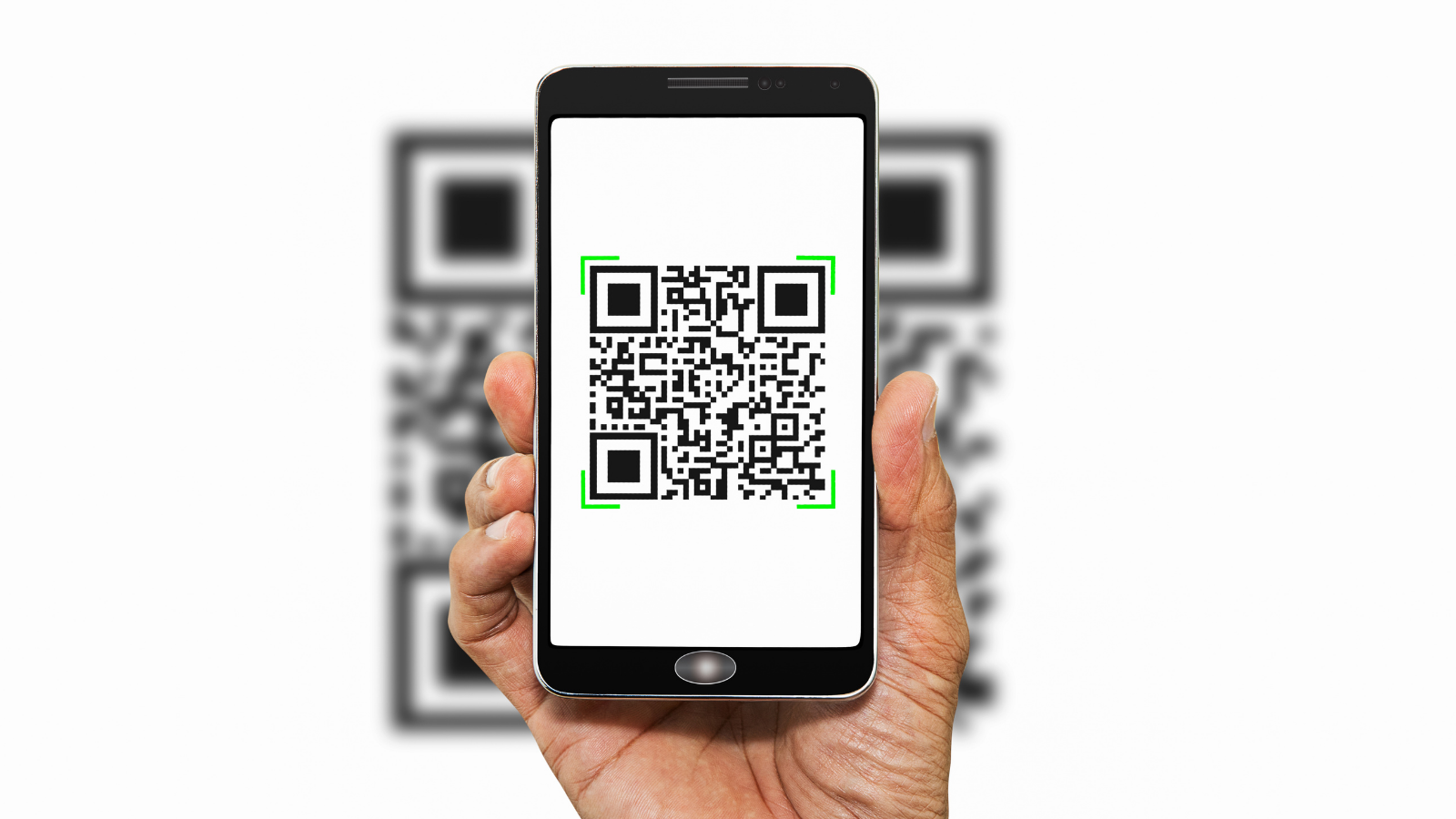
QR codes can be useful on a poster, but they are only helpful when they support a clear next step. A code on its own does not add value. What matters is where it leads and why someone would want to scan it.
1. Link to Something Useful
A QR code should take the viewer somewhere worth reaching.
That might be:
- a paper or preprint
- a project page
- a sign-up form
- contact details
- supplementary material
If the destination is vague or low value, the code becomes decoration.
2. Make the Next Step Obvious
People are more likely to scan when they know what they are scanning and why. So always label the code clearly, especially when it comes to data protection.
Hint: Instead of just showing a square code, tell the viewer what it leads to. That removes uncertainty and makes the action feel worth taking.
3. Use It to Extend the Conversation
The QR code is most useful when it helps after the interaction. Someone may understand the poster in the room, then use the code later to revisit the work, share it, or follow up. That is where it becomes part of the communication, not just an add-on.
Most posters have no 'Call to Action' (CTA) meaning that outside of the conference, there is no continuation of the poster. Using QR codes to send other to the manuscript on your publisher website, the Bio page on your institutions website, or even a short form to submit name and contact details, ensures the longevity of your networking.
Closing Thought
A QR code works best when it supports a useful next step. If it helps someone continue engaging with the work after the poster session, it is doing its job. As technology advances, it is becoming more common to feature a QR code which allows the user to access supplementary information.